Check Askdd’s Home Page For How to Make Stylish and User Friendly Flipbooks
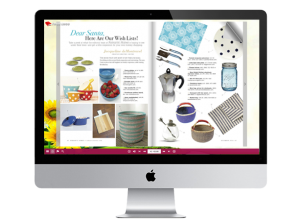
Askdd.com is the go to website for information about how to make modern, chic flipbooks from pdf files. Our regularly updated blogs give you answers to any questions that you may have about pdf to epaper. Digital books work well across all digital platforms, can be shared through most social media channels or with prospective clients or customers and look really professional and are only limited by your creativity. Flipbooks are user friendly online magazines, blogs or publications and are also the perfect format for digital catalogues, if you want to sell your goods online and reach a wider audience. They are also the ideal medium in which to showcase your artwork for future customers or even for prospective employers.
When you create a stylish flip from a pdf file, they can be accessed via any PC, laptop, tablet or smartphone and can feature videos, links, audio, photographs and graphics to really engage with your readers. Flipbooks are SEO friendly, and make it easy for search engines and people to find you on the web and give you a ready made audience. They are easy to work with and allow you to be as creative as you want, changing content, images and even videos whenever you want to.
Flipbooks are SEO friendly, and make it easy for search engines and people to find you on the web and give you a ready made audience. They are easy to work with and allow you to be as creative as you want, changing content, images and even videos whenever you want to.Flipbook software can be free or otherwise depending on how many features you need, but are generally fairly easy to use and can be used to create really up to date looking digital publications that can be changed whenever you want to add new content. Check out our blog page at askdd.com for our latest pdf to flip blogs about what you can do with flipbooks and think outside the box and create your own fabulous flipbooks that look professional.